Showing posts with label physiology. Show all posts

Wednesday, April 10, 2013

How Normal Menstrual Cycle is Regulated


How Normal Menstrual Cycle is Regulated

How Normal Menstrual Cycle is Regulated

When a woman reaches puberty stage, she encounters different changes in her body. One of them is the monthly period or also known as menstruation. A menstrual cycle is a female reproductive cycle that causes monthly bleeding except during pregnancy. It lasts from menarche (the first menstruation) to menopause.

The normal menstrual cycle has an average age of

Monday, April 8, 2013

Hormones that Regulate Menstrual Cycle


Hormones that Regulate Menstrual Cycle


Hormones controlling Menstrual Cycle 
Like any other body processes, hormones are involved at every stage of the menstrual cycle. Hormones work like messengers that travel in the bloodstream to transport signals from one cell to another. During the women’s monthly period, several hormones are responsible for the control of the menstrual cycle. The menstrual cycle in women is a recurring process in which the lining of the uterus is prepared for pregnancy, and if pregnancy does not happen, the lining is shed at menstruation.

There are four essential hormones in control namely the Gonadotropic Hormones

Sunday, March 24, 2013

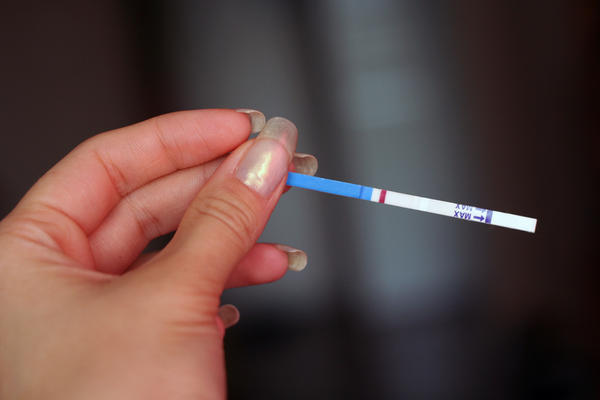
How will you know you are pregnant?


How will you know you are pregnant?

Are you pregnant?
The early symptoms of pregnancy aren't recognized immediately because it is often like what happens before and during menstruation. Every woman has different pregnancy experience, even from one pregnancy to the next. However, one of the most important pregnancy symptoms is a delayed or missed period.
One of the earliest pregnancy symptoms is spotting. This is due to the implantation of the embryo in the uterine wall 6 to 12 days after conception. Sometimes, this is

Saturday, March 23, 2013

Hormonal methods of contraception


Hormonal methods of contraception

Hormonal methods of contraception
Due to the variety of options available, woman experienced difficulty in which birth control method to use. In order to choose which the best one is, some factors are to consider. Affordability, convenience, efficacy, duration of action, advantages, side effects and protection from sexually transmitted diseases are some of these. Each woman, including their partners can decide which method to use. Hormonal contraception contains estrogen and progesterone, or progesterone only.
Hormonal contraceptives can interfere with the normal monthly cycle when taken correctly. It works by: (1) preventing the lining of the womb from growing to avoid

Friday, March 22, 2013

Normal Menstrual Cycle


Normal Menstrual Cycle

Normal Menstrual Cycle
A female reproductive cycle or the well-known “menstrual cycle” is an episodic uterine bleeding in response to cyclic hormonal changes. It is also known by the terms menses, menstrual period or period. Each month, one of the ovaries releases an egg, a process called ovulation. This process allows for conception and implantation of new life. If ovulation takes place and the egg isn’t fertilized, the lining of the uterus sheds and flows from the uterus though the cervix and out of the body through the vagina.